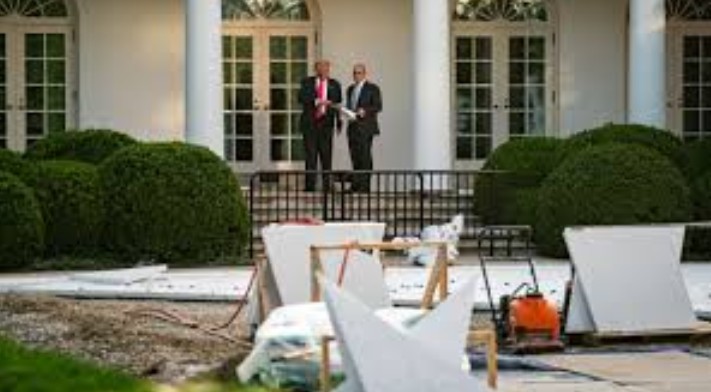
When Donald Trump loudly announced a 35% tariff on Canadian fertilizer, the move was meant to project strength.
Pressure Canada. Signal dominance. Force concessions.
Instead, less than twenty-four hours later, Mark Carney responded with three decisions that quietly turned the announcement into a strategic miscalculation.
Not with threats.
Not with counter-rhetoric.
But with leverage.
First: “We’ll Go Around You Entirely”
At an emergency internal meeting, Carney reportedly made his position unmistakable.
“You want a tariff war? Then we’ll go around you entirely.”
Rather than confronting the United States head-on, he accelerated the restructuring of Canada’s domestic supply system.
The objective was simple — reduce reliance on US-linked channels and deliberately push American firms out of key fertilizer supply chains.
This wasn’t retaliation.
It was re-routing.
By strengthening internal capacity and alternative trade paths, Canada signaled it would adapt — leaving the tariff to bite where it hurt most: US dependence.
Second: Export Controls That Shifted the Pain South
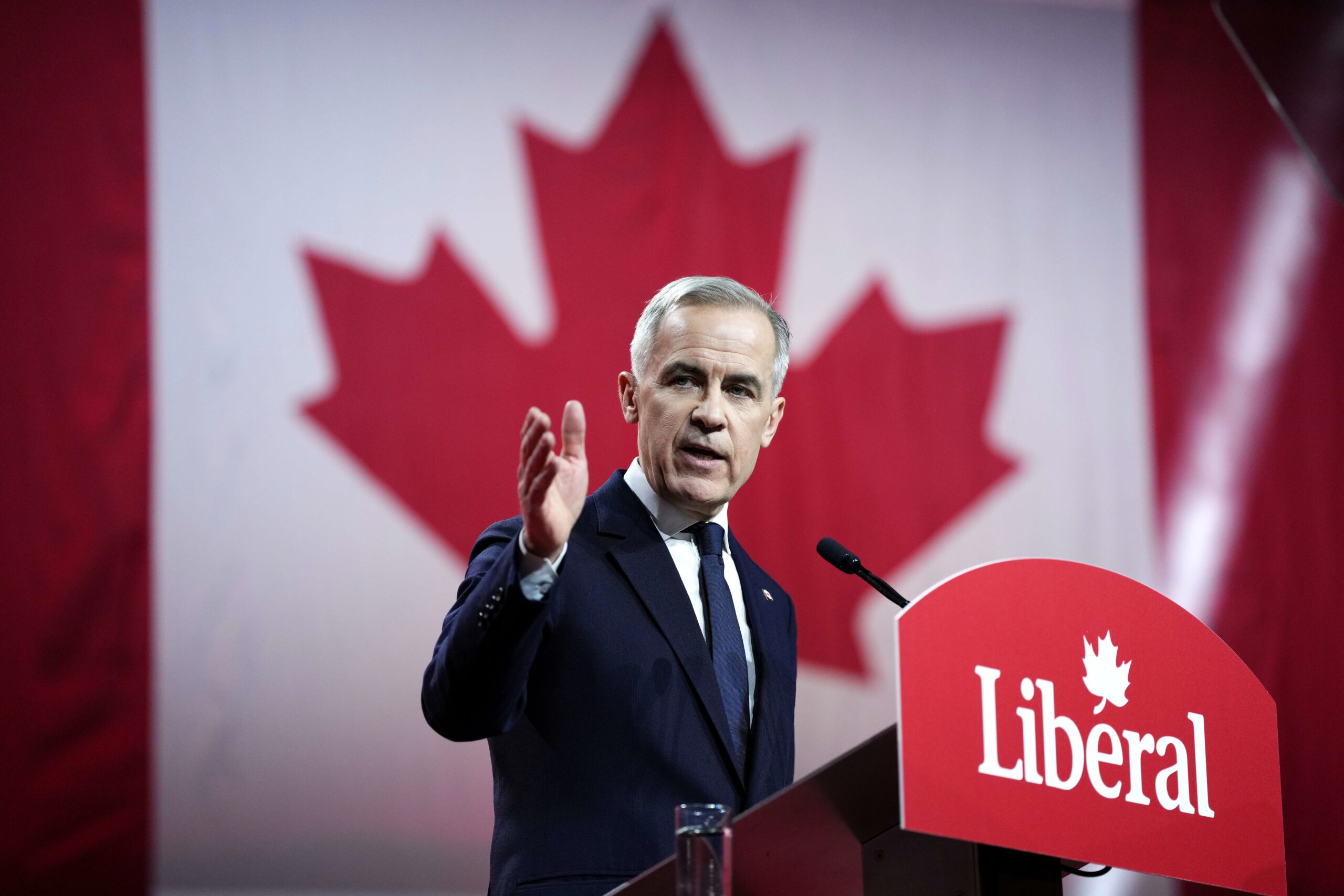
Carney’s next move was sharper.
Canada tightened export controls and prioritized domestic access to critical fertilizer resources.
The message was unmistakable, and the tone barely concealed its irony.
You want a trade war?
Ask the American Midwest if it’s ready to pay for it.
Fertilizer is not an abstract commodity.
It’s timing. It’s yield. It’s survival for farmers.
By putting Canadian needs first, pressure landed almost immediately on US agricultural industries — particularly in the Midwest, where margins are thin and planting schedules unforgiving.
The cost of escalation was no longer theoretical.
Why This Worked So Fast
Trump’s tariff announcement relied on visibility.
Carney’s response relied on structure.
Tariffs take time to ripple.
Supply chain shifts do not.
For older audiences in the US and UK who remember oil shocks, steel wars, and agricultural standoffs, the pattern was familiar:
the quiet moves often matter more than the loud ones.
Carney didn’t argue whether the tariff was fair.
He made it irrelevant.
The Laughter Wasn’t in Ottawa

What made the episode striking was not just the speed — but the direction of pressure.
Instead of Canada scrambling, US farmers and industries were suddenly forced to ask hard questions.
Who pays more?
Who absorbs the shock?
And who asked for this fight?
That is when a tariff stops looking tough — and starts looking careless.
A Lesson in Modern Trade Power
Carney’s response underscored a reality many overlook:
in a globalized economy, leverage isn’t always about retaliation.
Sometimes it’s about absence.
By quietly restructuring supply, tightening controls, and letting economic gravity do the work, Canada didn’t escalate the conflict.
It exposed it.
And less than a day after a bold announcement was supposed to show strength, the consequences were already being felt — not in Ottawa, but across America’s own heartland.
💔 EMOTIONAL MOMENT: 13-Year-Old Cancer Fighter DJ Daniel Shares Tearful Hug With Charlie Kirk’s Widow 😢🇺🇸


